



Ken Griffey Jr. Rookie Card: Complete Guide to Values, Grades & Protecting Your Investment
Okay, real talk. You could hand a Ken Griffey Jr. rookie card to someone who hasn't thought about baseball cards since the third grade and they would still feel something. That's not something you can say about a lot of cards. That's not something you can say about a lot of players, either.
Junior has that thing. The backwards cap, the swing, the smile on that 1989 Upper Deck photo that somehow looks like he already knew. For collectors, his cardboard is less of a category and more of a lifestyle. People build entire PCs around him. People have chased a PSA 10 of the Upper Deck #1 for years like it's the only card that matters. And honestly? For a lot of us, it kind of is.
So let's get into it. Which cards are worth chasing, which ones are worth the premium, what the grades actually do to the price, and how to make sure a slab you worked hard to get doesn't lose value sitting in the wrong holder.

Why Ken Griffey Jr. Cards Are Still Among the Most Sought-After Baseball Cards
The Kid: A Player Who Changed Everything

Junior grew up in a baseball family. His father, Ken Griffey Sr., was a two-time World Series champion with the Cincinnati Reds during the Big Red Machine era, and a young Junior was literally in those clubhouses during the celebrations. Baseball was never just a sport for him. It was home.
The Seattle Mariners selected him with the first overall pick of the 1987 MLB Draft. He spent barely over 100 minor league games before arriving in the bigs on April 3, 1989. That same year, his face landed on what would become the most important modern baseball card ever printed.
What he went on to accomplish over the next two decades is the kind of career that makes a collector's checklist look like a highlight reel:
- 630 career home runs, good for seventh on the all-time list
- 13 All-Star appearances between 1990 and 2007
- 10 straight Gold Gloves in center field from 1990 through 1999
- 7 Silver Slugger Awards and the 1997 AL MVP
- 4 American League home run titles
- Hall of Fame induction in 2016 on the first ballot, with 99.32% of the vote
That Hall of Fame vote is worth sitting with for a second. Griffey broke Tom Seaver's record that had stood for 24 years, and did it in the first year he was eligible. When nearly every baseball writer in the country agrees unanimously that a player is an all-time great, the card market takes notice. And it has, consistently, for over three decades.

More Than Just Baseball
Here's the thing about The Kid that separates him from most Hall of Famers: he was a full-on cultural phenomenon. He wore his backwards cap during batting practice and made it iconic. He signed deals with Nike and Nintendo when athletes weren't yet true marketing superstars. He appeared on video game covers, on cereal boxes, and on TV screens in living rooms that didn't even care about baseball. He helped bring fans back to the game after the damaging 1994 labor strike.

When collectors hold a ken griffey jr baseball card, they're not just holding a graded piece of cardboard. They're holding a memory. That emotional connection is a massive driver of long-term demand in the hobby, and it's a big reason why Junior remains a blue-chip name at every price level, from entry-level raw cards to five-figure auction hits.
The Most Valuable Ken Griffey Jr. Baseball Cards (1989 to Present)
The 1989 season was a historic one for the hobby. Multiple manufacturers were competing hard, which meant collectors got several different Griffey rookies to chase. Understanding the differences between them is table stakes for any serious collector.
The Crown Jewel: 1989 Upper Deck Ken Griffey Jr. #1

If you only know one thing about ken griffey jr cards, make it this: the 1989 Upper Deck #1 is the card. Upper Deck launched that year and completely disrupted the market. We're talking glossy stock, full-color photography, and a hologram anti-counterfeit seal on the back. Nothing else looked like it at the time. And Griffey's card was the very first one in the set, numbered #1, with a wide smile and an action shot that immediately became one of the most recognizable images in hobby history.
The 1989 upper deck ken griffey jr card has a couple of variations worth knowing:
- Standard version: the most widely circulated, but still the one every serious collector wants in their PC (personal collection)
- Error version: an early printing that included an incorrect bio note about his father; quickly corrected by the manufacturer
- Corrected version: the fixed print run; generally considered the "true" version by most collectors
The 1989 upper deck ken griffey jr rookie card has been slabbed by PSA over 172,000 times, making it one of the most graded cards in the history of the hobby. That number tells you everything about how deeply embedded it is in the collecting community.
The Rest of the 1989 Rookie Class
The upper deck ken griffey jr rookie card gets all the attention, but 1989 also gave us rookies from four other manufacturers. Each one has its own collector base and its own spot in the hobby's hierarchy. Here's how they stack up:
|
Card |
Year |
Approx. Raw Value |
What Collectors Say |
|
Upper Deck #1 |
1989 |
$15 to $30 |
The grail. Highest PSA 10 premiums by a wide margin. |
|
Topps Traded #41T |
1989 |
$8 to $20 |
The ken griffey jr rookie card topps is a true collector staple, widely available and still actively chased. |
|
Bowman #220 |
1989 |
$10 to $25 |
The Bowman Tiffany parallel is the prize here; scarcer and sharper looking. |
|
Donruss Rated Rookie #33 |
1989 |
$5 to $15 |
A great budget entry point. PSA 10 copies still carry solid premiums. |
|
Fleer #548 |
1989 |
$5 to $12 |
Most accessible of the five. Action shot design that holds up well. |
The High-End Chase Cards: Autos, Refractors, and Serial-Numbered Inserts
Once you move beyond the 1989 griffey rookie card set, the hobby gets more interesting and more expensive. Some of the most valuable ken griffey jr cards in circulation today are not rookies at all. They are serial-numbered inserts, autographs, and refractors produced during his peak playing years.
A few that come up regularly in collector conversations:
- 1993 Topps Finest Refractor: the first chromium refractor ever produced for Griffey, a true hobby landmark that has sold for over $26,000
- 1994 Upper Deck Mickey Mantle and Griffey Dual Auto: limited to 1,000 signed copies; one of the coolest pieces of cardboard ever made, with a hammer price over $57,000
- 1998 Donruss Crusade Red: numbered to just 25 copies, with a striking holographic foil finish; sold for $18,000
- 1998 Upper Deck A Piece of the Action Patch Auto: one of the first patch autos ever made; a BGS 8.5 copy sold for $84,000 in 2022
These are the kinds of pieces that end up in serious personal collections and rarely change hands publicly. When they do, they make noise across the entire hobby.

What Determines a Ken Griffey Jr. Card's Value: Set, Variation, and Grade
Raw vs. Slabbed: The Price Gap Is Bigger Than Most People Expect
Here is something that every newer collector needs to hear early: the single biggest driver of ken griffey jr rookie card value is not the set, not the year, not the variation. It is the PSA grade. A professionally graded and slabbed card is a fundamentally different asset than a raw copy sitting in a penny sleeve.
The spread between a raw 1989 upper deck ken griffey jr and a PSA 10 version can be 100 times or more. That's not a typo. Here's how the 1989 Upper Deck #1 generally trades across the grade spectrum:
|
PSA Grade |
Approx. Market Value |
What It Means |
|
Raw (ungraded) |
$15 to $30 |
Condition is unknown to a buyer. Great for display, risky for resale. |
|
PSA 6 (EX-MT) |
$60 to $90 |
Light wear visible. Still a legitimate collector copy. |
|
PSA 8 (NM-MT) |
$150 to $250 |
Near-mint with minor flaws only. Strong appeal across collector tiers. |
|
PSA 9 (MINT) |
$400 to $700 |
Near-perfect. Only the cleanest press runs reach this level. |
|
PSA 10 (GEM MINT) |
$1,500 to $5,000+ |
Perfect in every way. Extremely scarce. The one every collector wants. |
Always verify against recent sold listings on eBay or Card Ladder before buying or selling. The market moves.

Pop Reports: Why the Numbers Matter
PSA publishes what collectors call a pop report, a running count of every card they have ever graded, broken down by grade. For the 1989 upper deck ken griffey jr rookie card, there are over 172,000 total submissions and only around 4,285 PSA 10s in existence, a gem rate of roughly 4%. That scarcity at the top of the spectrum is what makes a PSA 10 copy so disproportionately valuable compared to everything below it.
If you're trying to figure out how much is ken griffey jr rookie card worth right now, the pop report and recent comp sales are the two things you need to check side by side. A card with a thin PSA 10 population and strong recent auction results is a very different conversation than one where Gem Mints are flooding the market.
Upper Deck vs. Topps vs. Donruss: Which Set Gets the Premium?
The 1989 ken griffey jr upper deck card sits at the top of the value hierarchy for a reason that goes beyond just being a great player's first card. Upper Deck changed the hobby that year. Coated stock, UV protection, high-resolution photography, and a hologram seal were revolutionary. The Upper Deck #1 is not just a rookies card. It's a historical milestone in what the hobby could be.
The ken griffey jr baseball cards from Topps and Donruss are more accessible price-wise, which actually makes them popular with newer collectors who want a graded Griffey in their collection without stretching the budget for an Upper Deck copy.
How to Store and Display Graded Griffey Cards Without Risking Their Value
The Mistake That Costs Collectors Real Money
Here's something experienced collectors know that newer ones often learn the hard way. A PSA slab is not indestructible. The plastic holder certifies the card inside, but it doesn't protect itself. A slabbed card that gets scratched, cracked, or damaged in storage can still lose resale value, raise questions about tampering, and require a paid reholder submission to fix.
The most valuable ken griffey jr cards worth money deserve far better than a drawer or a random cardboard box. But that's exactly where a lot of them end up. Slab damage is one of those problems that feels invisible until you're trying to sell and a buyer asks why the window is scratched.
The Storage Mistakes Nobody Talks About
- Storing slabs loose in a box where they bang against each other
- Keeping cards near windows. UV exposure degrades paper and fades ink even inside a slab
- Using top loaders or sleeves that were sized for raw cards, not for the thickness of a graded slab
- Stacking slabs in tall columns with nothing supporting them. One good bump and you have a mess
- Storing in high-humidity spaces without climate control. Paper warps. Ink yellows. It happens slowly, and then all at once
These are the kinds of small decisions that quietly destroy value on cards that collectors have spent serious money acquiring. The most expensive ken griffey jr cards deserve a storage setup that matches their price tag.
What Serious Collectors Actually Do
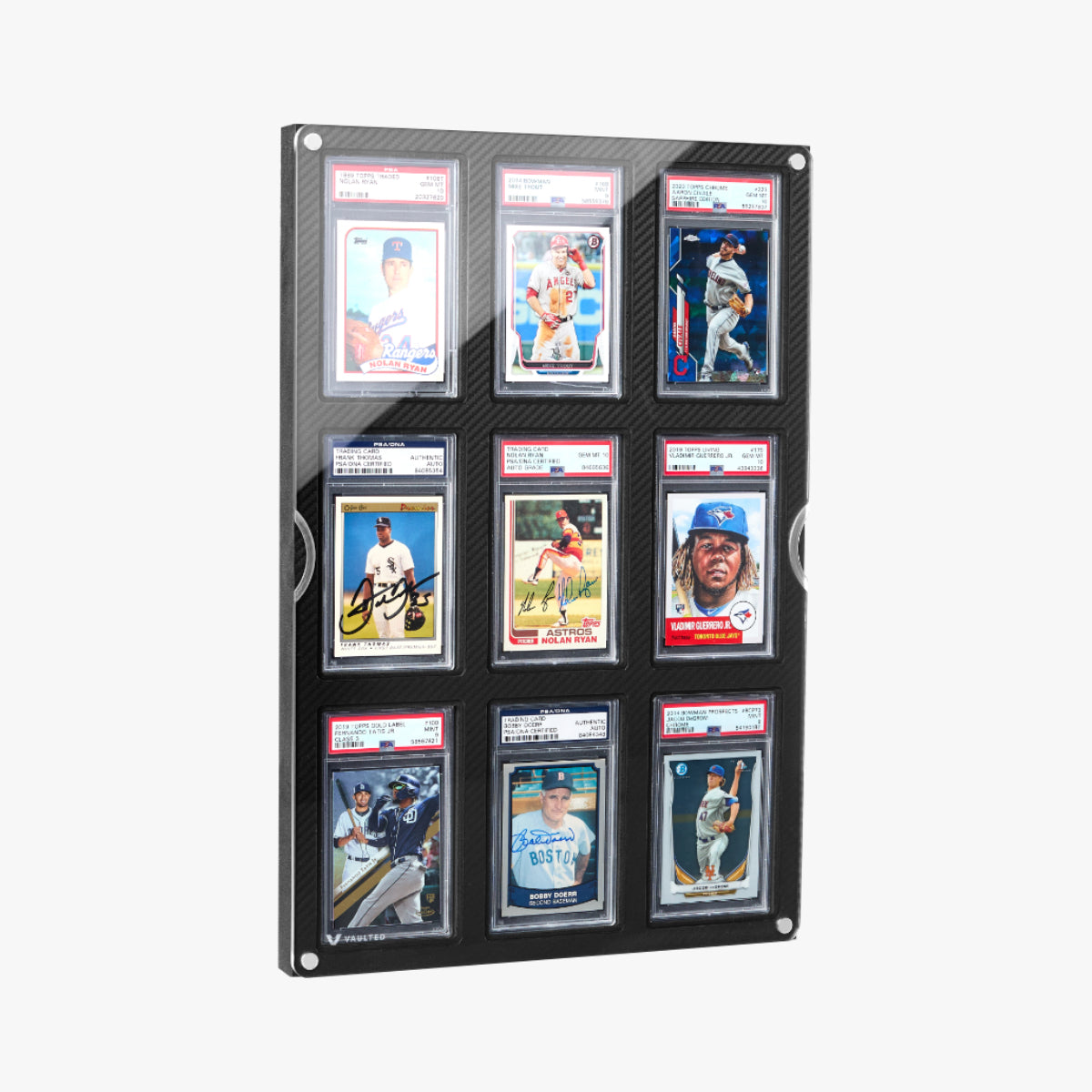
The standard among serious collectors is purpose-built slab storage: holders that keep cards upright, prevent movement, and protect the slab face from contact. UV-blocking acrylic is the gold standard for any display piece, especially if natural light hits the space.
Temperature and humidity matter more than most newer collectors realize. A stable environment around 65 to 70 degrees Fahrenheit and below 50% relative humidity is where you want to be for long-term storage. Ken griffey jr baseball cards most valuable examples are generational assets for a lot of collectors. Their storage should reflect that.
Why the Card Mag Plus Is the Gold Standard for PSA-Graded Card Storage
At Vaulted Collection, we built the Card Mag Plus because we were collectors who got tired of the available options not being good enough. If you're going to hold a PSA 10 1989 Upper Deck Griffey rookie, the holder it sits in should be worthy of it.
What Makes It Different
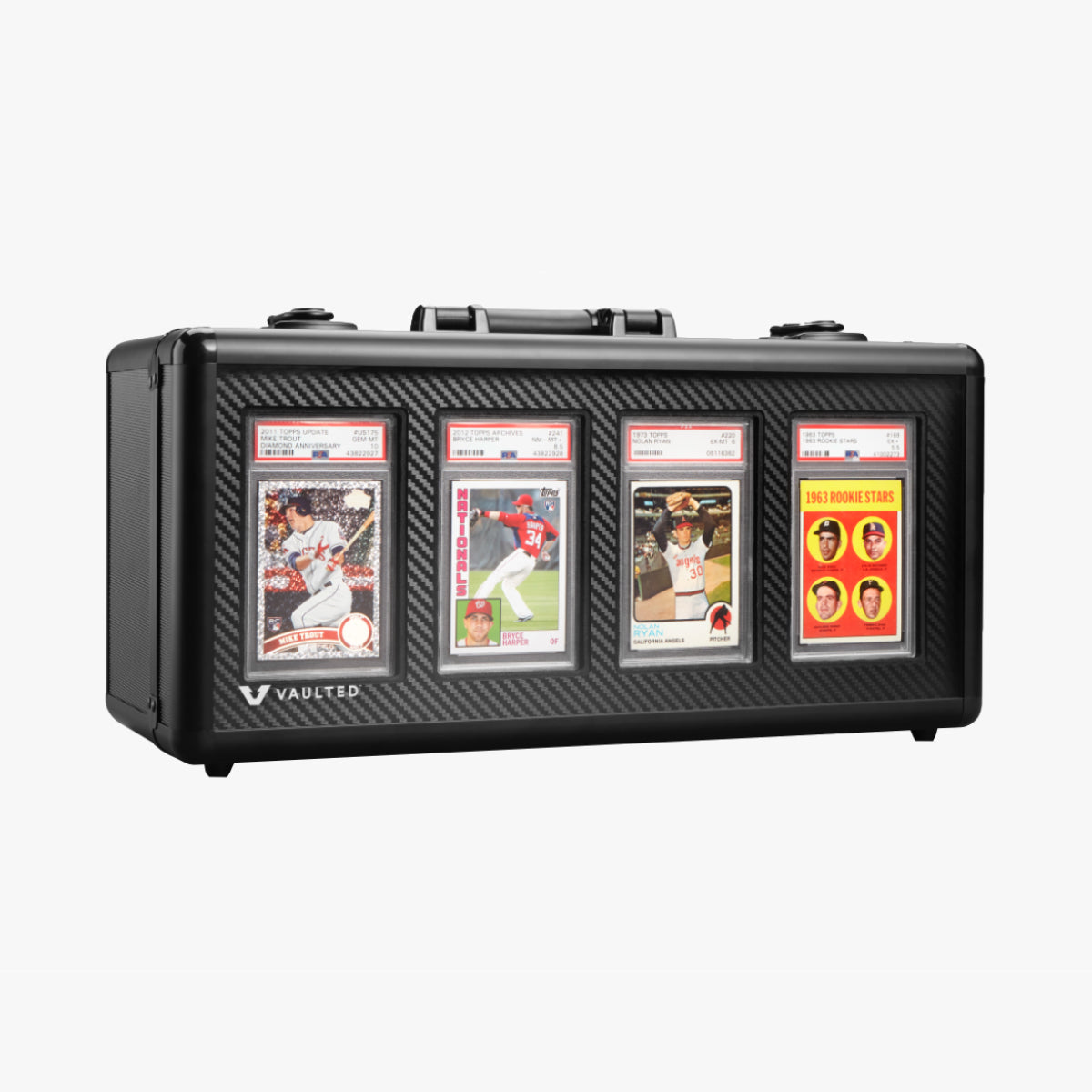
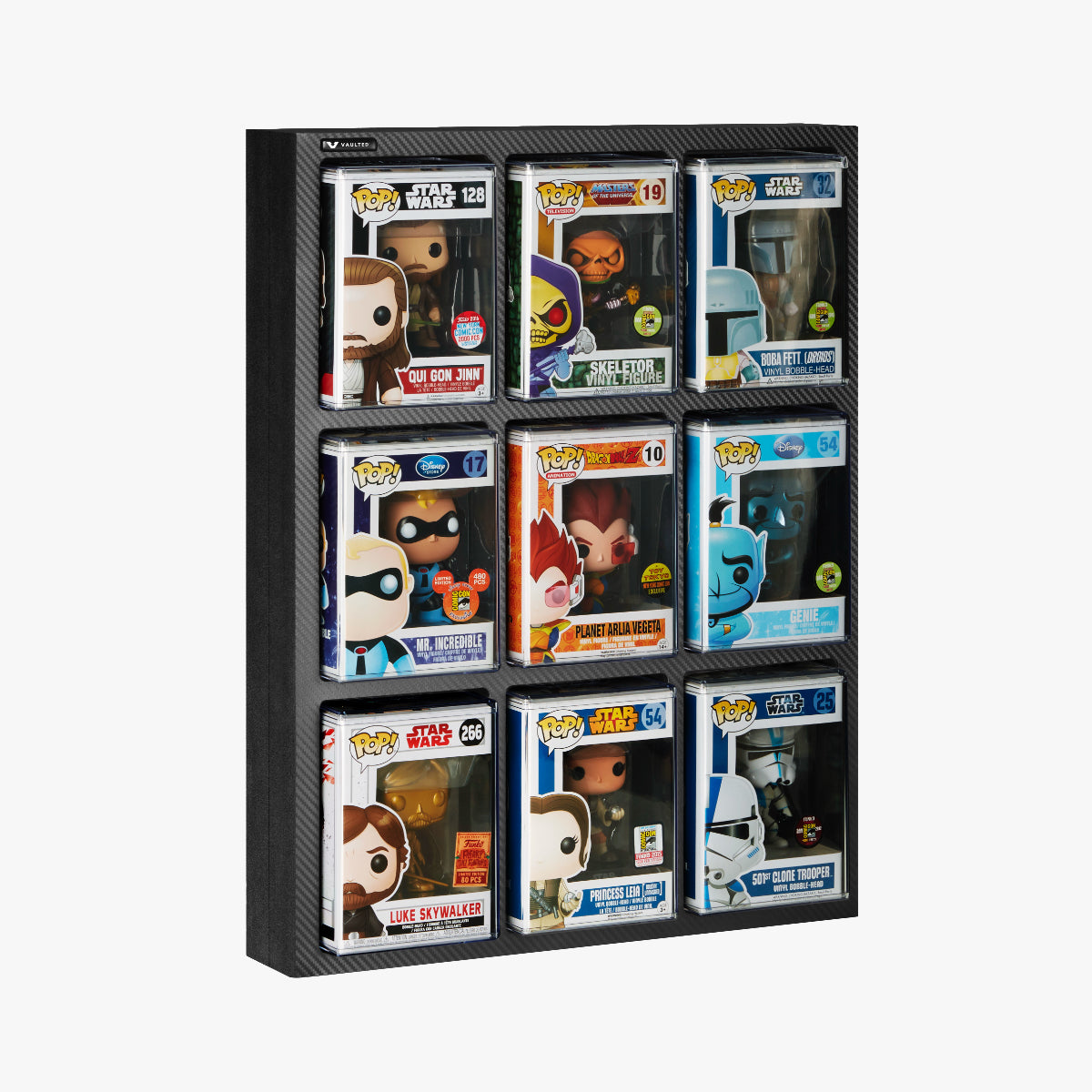
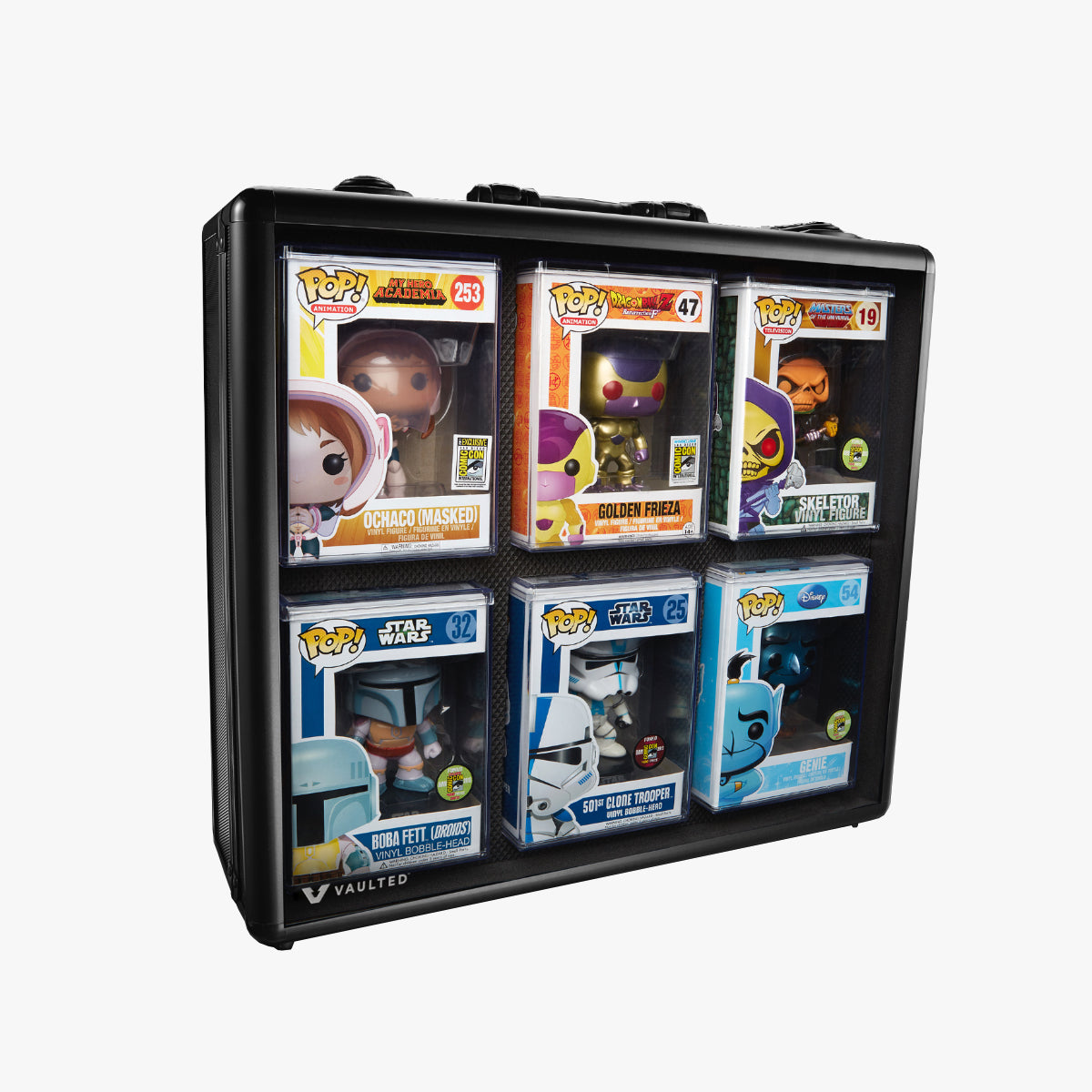
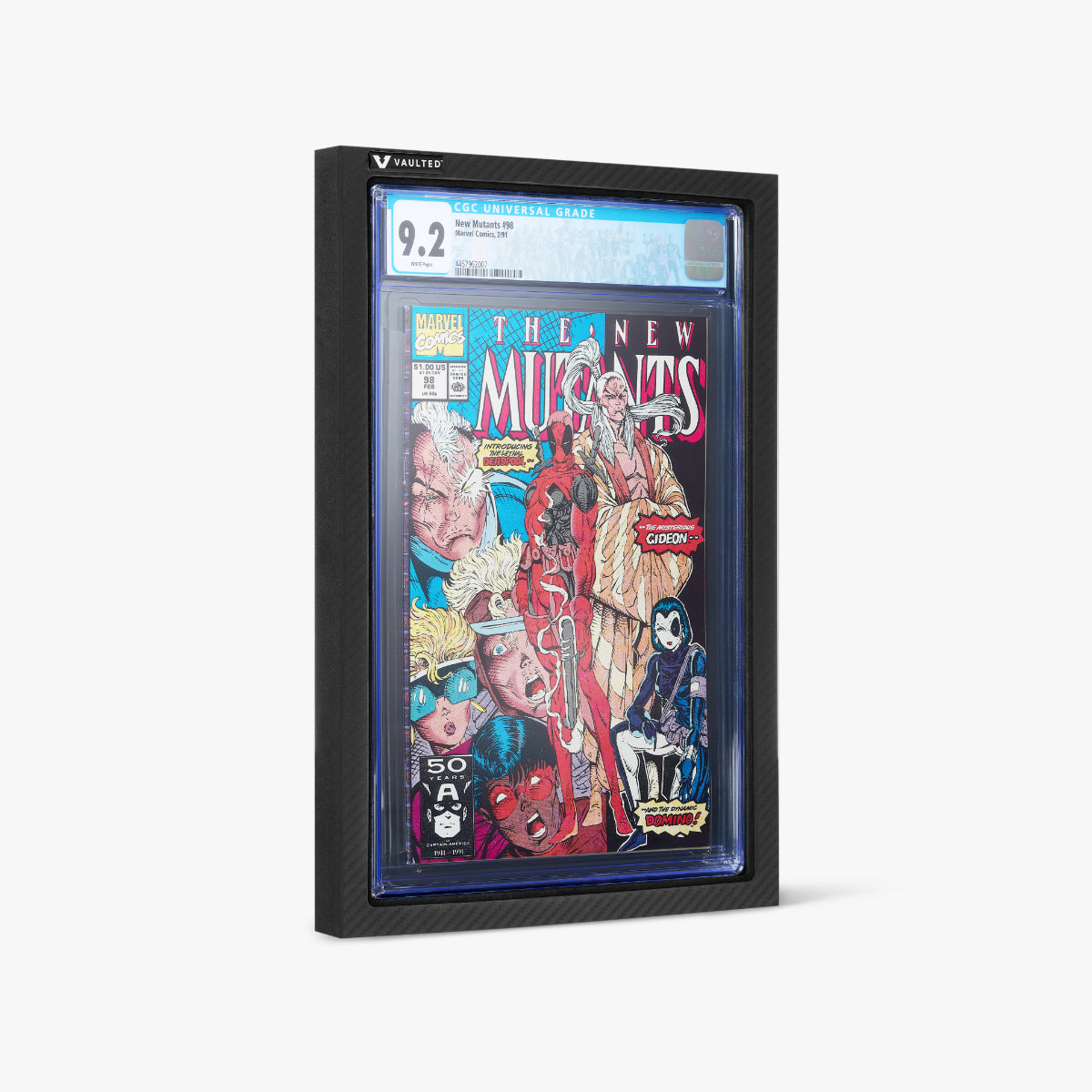
The Card Mag Plus is a premium magnetic storage and display solution built specifically for PSA-graded slabs. It directly addresses the problems in Section 4: slab contact, light damage, tipping, and inadequate fit.
- Magnetic closure system for secure, scratch-free opening and closing
- Crystal-clear UV-protective acrylic face so you see every detail without exposing the card to damaging light
- Slab-specific fit with no rattling or movement between the card and the holder
- Premium matte exterior finish that looks as sharp on a shelf as it is protective
- Stackable design for collectors building out a full Griffey PC
A PSA 10 1989 Upper Deck Ken Griffey Jr. rookie card can be worth $2,000, $4,000, or more depending on the market. The Card Mag Plus is a fraction of that cost and eliminates the slab damage risk that could easily cost you far more.

Built by Collectors for Collectors
Vaulted Collection was started on one straightforward idea: the cards you care most about deserve the best possible protection. We don't cut corners on the acrylic clarity, the magnet strength, or the tolerance of the slab fit, because we know what a perfect PSA slab means to you.
Whether you are protecting a single prized griffey rookie card or building out a display wall of your best pieces, the Card Mag Plus is the right tool for the job.
FAQ: Everything Collectors Ask About Ken Griffey Jr. Cards
How much is Ken Griffey's rookie worth?
It depends on the card and the grade. A raw 1989 Upper Deck #1 typically trades in the $15 to $30 range. A PSA 9 is usually in the $400 to $700 range, and a PSA 10 can go anywhere from $1,500 to over $5,000 depending on current market conditions. Other 1989 rookies from Topps, Donruss, Bowman, and Fleer trade at lower price levels but still carry meaningful premiums in top grades.
Why is the Ken Griffey Jr. rookie card so valuable?
A few reasons working together. First, the player: Griffey is widely considered one of the greatest to ever play the game and was inducted into the Hall of Fame with nearly unanimous support on the first ballot. Second, the card itself: the 1989 Upper Deck #1 was a landmark release that changed what a baseball card could be, with a premium look and feel that nothing else on the market had at the time. Third, the cultural weight: Griffey was a generational icon whose appeal went well beyond baseball, and collectors who grew up watching him are now in their peak earning years and actively chasing his cards. All of that combined is why a single piece of 1989 cardboard can still command thousands of dollars at auction.
What is the best Ken Griffey Jr. rookie card?
The hobby is pretty unified on this one: the 1989 Upper Deck #1 is the best ken griffey jr. rookie card, full stop. It was the first card in the first truly premium product of the modern era, it features the most iconic image of Griffey as a young player, and it carries the highest value across all grades. If you want a collection that represents the definitive griffey jr rookie card, this is the one you need. The Bowman Tiffany parallel and the Topps Traded version are the other two most talked-about options for collectors who want variety at different price points.
What is the most expensive Ken Griffey Jr. card ever sold?
The current all-time record belongs to the 1998 SkyBox E-X 2001 Essential Credentials Now card, numbered 4 out of just 10 copies. It sold at Heritage Auctions for $280,600, surpassing the previous record by a significant margin. Before that, the 1998 Upper Deck A Piece of the Action Patch Auto, which Griffey hand-signed just 24 times, held the record at $84,000. These are the ultra-rare chase pieces that define the top end of what his cardboard can reach.
How much is ken griffey jr rookie card worth?
The 1989 Upper Deck is the one most people are thinking about when they ask this. In raw form, expect $15 to $30 for a clean copy. A PSA 8 is typically $150 to $250. A PSA 9 usually falls in the $400 to $700 range. A PSA 10 Gem Mint, where the real action is, has averaged around $2,330 in recent sales with an all-time high well above that figure. Always check current comps on eBay or Card Ladder before making a move.
What is the difference between the 1989 Upper Deck and the Topps Griffey rookie?
The ken griffey jr upper deck rookie card is the premium version in every way: glossy stock, full-color photography, a hologram seal, and the historical significance of being card #1 in the set that changed the hobby. The ken griffey jr rookie card topps (from the Traded set) is more common, more affordable, and still actively collected, but it trades at a much lower level at equivalent grades. If you're building a serious collection, you want both, but the Upper Deck is the one that matters most to the market.
Are Ken Griffey Jr. baseball cards a good investment?
High-grade examples of his key cards, especially PSA 9 and PSA 10 copies of the 1989 Upper Deck, have historically held and grown their value over time. Griffey's card market saw a 32.5% increase in value through 2025 compared to 2024, with over $3.9 million in sales volume tracked in just the past year. Like any collectible, the market moves and nothing is guaranteed, but Griffey's combination of Hall of Fame status, cultural significance, and deep collector demand makes his cards among the more stable blue-chip options in the hobby.
Final Thoughts
The ken griffey jr rookie card is one of those pieces that reminds you why the hobby matters. It's not just cardboard. It's a time capsule from the moment a 19-year-old with the sweetest swing in the game stepped onto a major-league field for the first time and looked like he had been doing it forever. For collectors who grew up watching The Kid, that card is personal. For newer collectors, it's a proven blue-chip with over three decades of market history behind it.
Whatever your reason for chasing it, protect what you own. A PSA-graded slab is a real investment. The Card Mag Plus from Vaulted Collection was built to make sure your most prized pieces stay in the condition they deserve, for as long as you hold them.

