
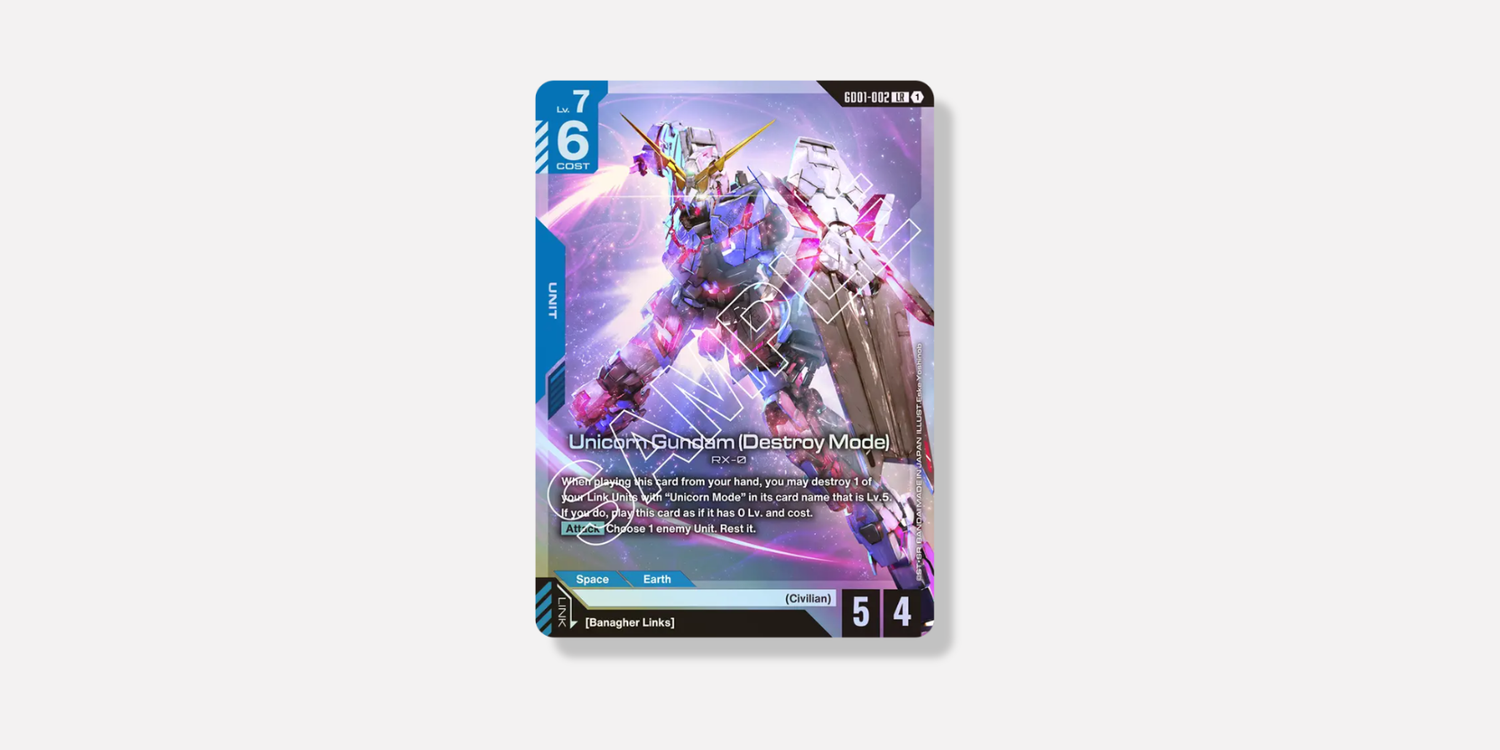
Gundam Card Game: Complete Beginner's Guide & Card List
If you have been paying attention to the trading card game space lately, you already know that a new card game is turning heads. The Gundam card game, officially called the GUNDAM CARD GAME and published by Bandai Namco, launched worldwide in July 2025 and has been building serious momentum ever since. Whether you are a longtime fan of the gundam franchise, a competitive TCG player looking for the next big thing, or just someone curious about the new card game everyone keeps talking about, this guide has everything you need to know. From how to play gundam tcg to understanding gundam sets, card types, and how to protect your best pulls like a serious gundam collection enthusiast, we cover it all.

What Is the Gundam Card Game?
The GUNDAM CARD GAME is a physical trading card game (TCG) based on the iconic Mobile Suit Gundam anime franchise. It was developed and released by Bandai Card Games, the same publisher behind popular gundam games adjacent titles like the One Piece Card Game, Dragon Ball Super Card Game, and Digimon Card Game. What makes this gundam game stand out is that it launched simultaneously worldwide in English, Japanese, and Simplified Chinese, making it one of the most globally coordinated tcg launches Bandai has ever done.

The Anime Behind the Cards

Gundam is one of Japan's most enduring sci-fi franchises, spanning over 40 years of anime, manga, model kits, and games. The series centers on epic conflicts fought with giant mechanical suits called Mobile Suits, piloted by soldiers and heroes across different timelines and universes. The gundam card game pulls from multiple series at once, including Mobile Suit Gundam (the classic original), Gundam Wing, Gundam SEED, Gundam 00, Iron-Blooded Orphans, and the newer GQuuuuuuX. That cross-universe approach means gundam cards represent a massive range of characters and mobile suits that fans from any generation will recognize.
Who Makes the Gundam TCG?
The game is published by Bandai Card Games, a division of Bandai Namco gundam. Bandai Namco is the entertainment giant responsible for the Gundam IP as a whole, including the legendary Gunpla model kits. Their card game division has a proven track record with some of the most successful non-Pokemon and non-Magic TCGs on the market, which makes the gundam tcg launch a serious long-term bet, not a one-off cash grab.
Why Gundam TCG Is Growing Fast
A few things are driving the rapid rise of gundam tcg. First, the simultaneous global release removed the usual frustration of Japanese-only cards flooding secondary markets before English versions arrived. Second, a beta edition released in December 2024 let early adopters test the game and created buzz before the full launch. Third, with gundam news about World Championships 25-26 and BANDAI CARD GAMES Fest 25-26 already confirmed, the competitive ecosystem is being built out fast. For collectors and players who got in early on One Piece or Dragon Ball, the parallels are hard to ignore.
How to Play Gundam TCG: Core Rules Explained
Understanding how to play gundam tcg is straightforward once you break down the core concepts. The game is a 1v1 strategic card battle, though Team Battle (2v2) and Battle Royale (3 or more players) modes are also supported. Two players face each other, deploying Mobile Suit Units, assigning Pilot Cards, and using Command and Base Cards to outmaneuver their opponent.
The Objective of the Game
There are two ways to win a match. The primary win condition is depleting all of your opponent's Shield Cards, which are six cards placed face-down at the start of the game that absorb incoming attacks. The secondary win condition is a deck-out victory: if your opponent cannot draw a card at the start of their turn because their deck is empty, they lose immediately. Both paths require very different strategies, and skilled players understand how to threaten both simultaneously.
Card Types and What They Do
The bandai tcg uses four main card types in your 50-card main deck: Unit Cards (your Mobile Suits, deployed into the Battle Area to attack and defend), Pilot Cards (operators placed under a Unit to boost its AP and HP, with special Link Unit bonuses when paired correctly), Command Cards (one-time-use tactical effects played during your Main Phase), and Base Cards (structures that occupy your Base Area and provide passive effects or extra HP to your shield zone). In addition to the main deck, you also build a separate 10-card Resource Deck used to fund your plays each turn.
How a Turn Works Step by Step
Each turn in the gundam game follows a clean five-phase structure:
-
Start Phase: All rested (sideways) cards are readied (straightened).
-
Draw Phase: Draw one card from your main deck.
-
Resource Phase: Draw one card from your Resource Deck and place it into your Resource Area.
-
Main Phase: Deploy Units, pair Pilots, activate card effects, play Command cards, or attack with your Units. Most of the game happens here.
-
End Phase: Resolve any end-of-turn effects and discard down to a maximum hand size of 10 cards.
Resources work by resting (rotating horizontally) cards in your Resource Area equal to the card's Level cost. A card with Level 3 requires 3 Resources. The second player also starts with 1 EX Resource to offset the disadvantage of going second, which is a clean balancing mechanic borrowed from other successful tcg designs.
Winning and Losing Conditions
You win by destroying all six of your opponent's Shields or forcing them to deck out. Shields have a special "Burst" mechanic: when a Shield is destroyed, the owner reveals it, and if it has a Burst effect, they may choose to activate it before it goes to the trash. This means attacking carelessly can backfire dramatically, and experienced gundam tcg players carefully read what is likely in their opponent's Shield Area before committing to an all-out assault.
Gundam TCG Card Types: A Complete Breakdown
Knowing the four gundam cards types inside and out is the foundation of good deckbuilding. Each one fills a different strategic role, and balancing them correctly is what separates a beginner deck from a competitive one.
Unit Cards (Mobile Suits)

Unit Cards are the backbone of every deck in the gundam card game. They are deployed into your Battle Area, where up to six can exist at any one time. Each Unit Card shows its Level (cost), AP (attack power), HP (hit points), color, and any special abilities. Most Units cannot attack on the turn they are deployed, but pairing them with a compatible Pilot can remove that restriction, which is one of the most powerful tempo plays in the game. Unit types span the full gundam universe, from iconic suits like the RX-78-2 Gundam and Wing Gundam Zero to newer designs from GQuuuuuuX.
Pilot Cards

Pilot Cards are placed underneath a Unit in the Battle Area. Each Unit can hold one Pilot, and when paired, the Unit gains the AP and HP bonuses shown on the Pilot Card. The really interesting mechanic comes when a Unit and Pilot meet specific Link Requirements, creating a Link Unit that gains additional abilities and can attack immediately on deployment. Famous pairings like Amuro Ray with the RX-78-2 or Heero Yuy with Wing Gundam Zero are not just fan service, they are genuinely powerful synergistic combinations that reward knowledge of the gundam franchise.
Command Cards

Command Cards are single-use tactical tools played during your Main Phase. They cover a wide range of effects: boosting AP for an attack, searching your deck for a specific card, destroying an opponent's Unit, drawing extra cards, or giving a Unit special keywords for a turn. A well-timed Command Card can completely swing the momentum of a match. Some Command Cards also have a Pilot sub-type, meaning they can be paired with a Unit as a Pilot instead of being played as a standard Command, giving them flexible dual-use value in the right deck.
Base / Field Cards

Base Cards are deployed to your Base Area, and only one Base can be in play at a time. They provide ongoing passive effects, extra HP to your Shield Area, or special triggered abilities that fire when conditions are met. Each gundam tcg starter deck comes with a pre-built EX Base that is placed at the start of the game, giving newer players an immediate understanding of how Bases function before they start customizing. Notable Bases include iconic warships from the franchise like the White Base and the Argama, which carry in-universe flavor alongside their mechanical benefits.
Understanding Card Rarity in Gundam TCG
Rarity is at the heart of both the collecting and competitive sides of any tcg. The gundam tcg card list uses a tiered rarity system similar to other Bandai games, which rewards both casual collectors and dedicated hunters chasing premium pulls.
Common, Uncommon, and Rare: What's the Difference?
Common and Uncommon cards form the functional backbone of most decks. They are plentiful, affordable on the secondary market via tcgplayer, and often just as competitive as higher-rarity cards depending on the deck archetype. Rare cards step up in both scarcity and visual quality, usually featuring more complex card text and better artwork. For most players building their first gundam tcg starter decks upgrade or their first full competitive list, filling out Rares is the first real investment beyond the starter box.
What Are Secret Rares and Why Do They Matter?
At the top of the rarity ladder sit the premium pulls: Legendary Rares and Secret Rares, featuring alternative artwork, foil treatments, and in some cases entirely different card frames. These are the cards that drive pack-opening excitement and set the ceiling for secondary market prices on TCGplayer and other platforms. The GD03 Steel Requiem booster, which released January 30, 2026, specifically included special reprints of key cards with new illustrations, showing that Bandai understands how to keep collectors engaged across multiple gundam sets. These premium versions typically have no gameplay advantage over standard prints, but their visual appeal and scarcity make them the crown jewels of any gundam collection.
Which Rarities Are Worth Collecting vs. Playing?
If your primary goal is competitive play, focus on acquiring the Common, Uncommon, and Rare copies of the cards your deck needs. Standard prints are functionally identical to premium versions and cost a fraction of the price. If you are a collector first, the Legendary Rares and Secret Rares from early gundam sets are the ones most likely to appreciate in value over time, especially those featuring iconic Mobile Suits and pilots from the original series. The sweet spot for many in the community is buying a playset (4 copies) of the cards they need to play, plus a single premium version of their favorite card to display.
Gundam TCG Sets: What's Available Right Now
The product lineup for the gundam card game has grown quickly since its July 2025 launch. Here is a breakdown of everything that has been released and what to expect from each type of product.
Starter Decks: The Best Way to Begin

Gundam TCG starter decks (ST01 through ST08, as of early 2026) are the best entry point for any new player. Each gundam tcg starter deck comes with a complete 50-card main deck, 18 resource cards, a combined rules sheet and playmat, token cards, and a promotional bonus pack containing a foil version of one of the deck's cards. The original four starters, ST01 Heroic Beginnings through ST04, launched July 11, 2025, each built around a different Gundam series and color combination. ST05 Iron Bloom (Iron-Blooded Orphans), ST06 Clan Unity (GQuuuuuuX), ST07 Celestial Drive, and ST08 followed in late 2025 and early 2026, expanding the color options and faction variety considerably.
Current Booster Sets Explained

As of early 2026, three main booster sets are available. GD01 Newtype Rising launched July 25, 2025, followed by GD02 Dual Impact on October 24, 2025, and GD03 Steel Requiem on January 30, 2026. Each booster set follows a quarterly cadence, with new gundam sets adding fresh mechanics, faction support, and chase cards to the format. The gundam tcg release date schedule suggests GD04 is the next booster on the horizon, keeping the product calendar active and giving collectors regular new targets.
What Sets Are Most Valuable for Collectors?
For collectors tracking long-term value, first-edition prints from GD01 Newtype Rising are the ones to watch. Launch set cards from a new franchise almost always carry a premium over later printings, especially premium rarities featuring characters from the original 1979 Mobile Suit Gundam series. GD03 Steel Requiem's special illustration reprints are also worth attention as standalone display pieces. If you are using TCGplayer to track prices, the Legendary Rare and Secret Rare slots from GD01 are where the highest values currently sit.

How to Protect Your Gundam TCG Cards Like a Collector
Whether you pulled a Legendary Rare from GD01 or you are sitting on a complete set of alternate art cards from GD03, protecting your gundam cards is not optional. Card condition is directly tied to value, both for resale and for potential grading down the line. Here is exactly what you need.

Do Standard Sleeves Fit Gundam TCG Cards?
Yes. Gundam TCG cards use standard trading card dimensions (63mm x 88mm), the same size as Pokemon, Magic: The Gathering, and most other popular TCGs. That means standard-size sleeves fit perfectly. For competitive play where you are shuffling your gundam tcg deck hundreds of times per session, a quality sleeve is your first and most important line of defense against edge wear, surface scratches, and moisture. Vaulted's card sleeves are designed for exactly this level of regular use, offering a snug fit and consistent feel across your entire deck.
Top Loaders vs. Card Mags: Which Is Right for Your Best Pulls?
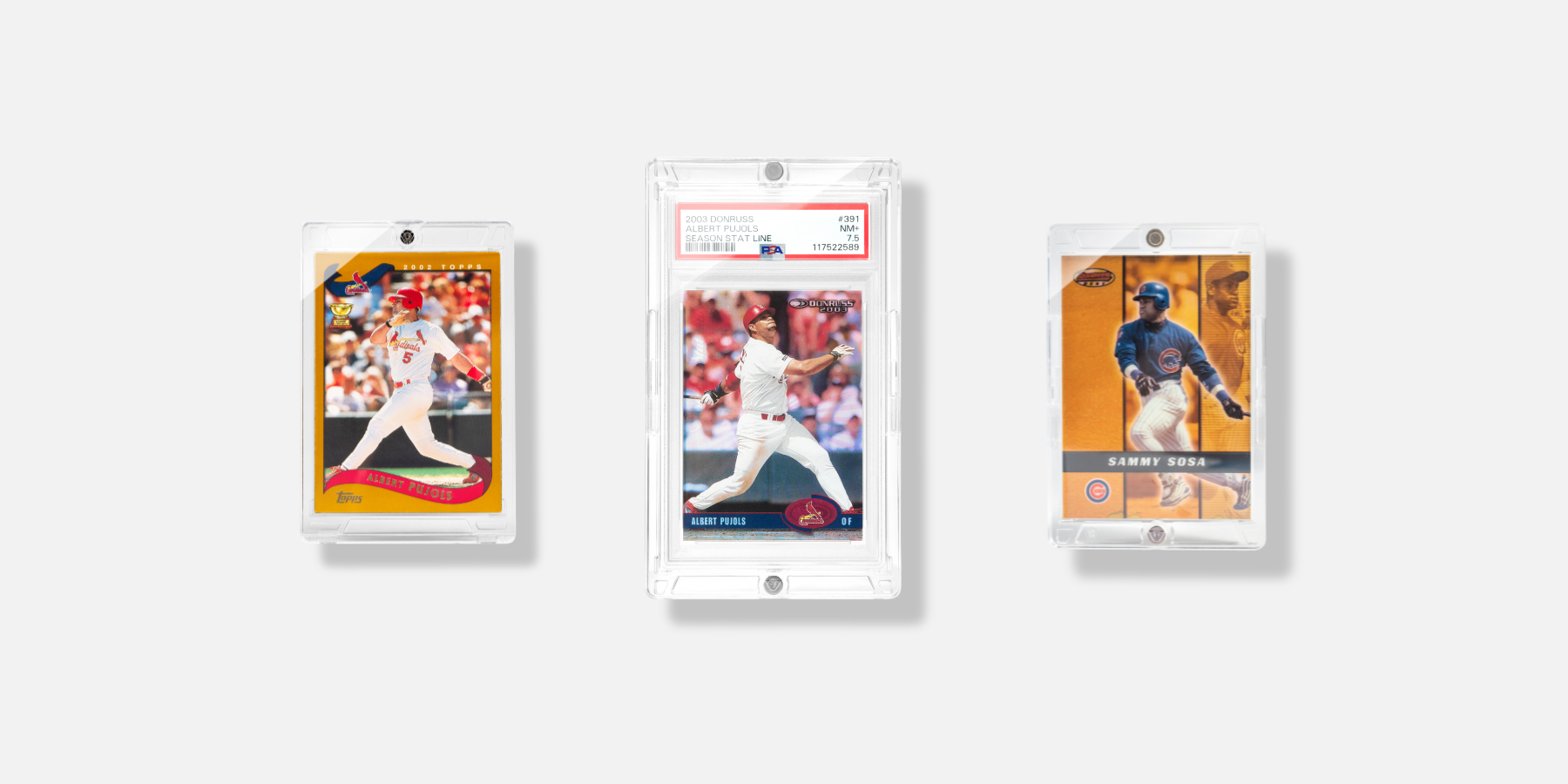
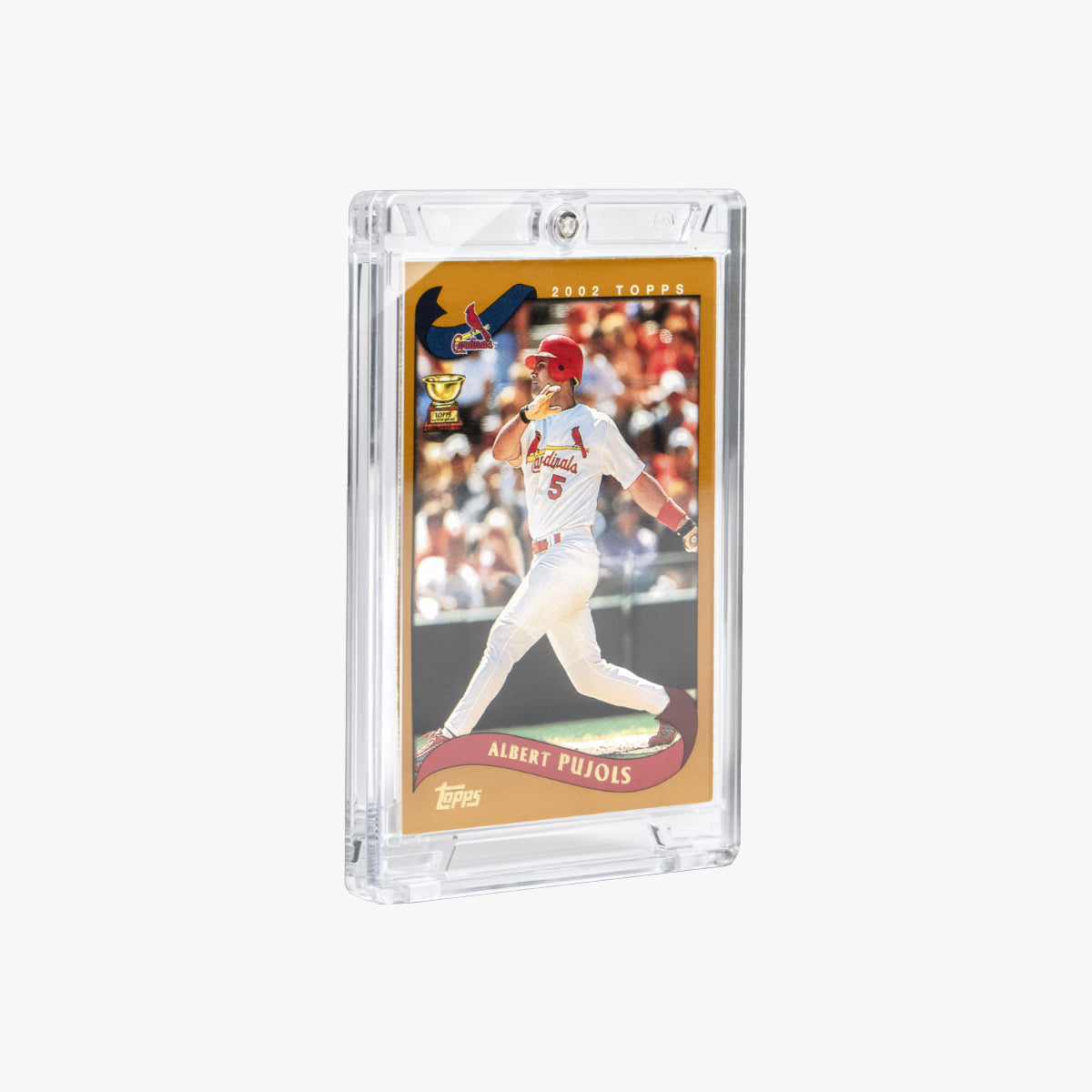
For your most valuable gundam tcg singles, you need more than a sleeve. Top loaders are rigid plastic cases that slide over a sleeved card, protecting it from bending and pressure during storage and transport. They are the go-to choice for cards you handle occasionally, like keeping a Legendary Rare safe while you decide whether to hold or sell. Card Mags take protection a step further with a magnetic closure system that applies even, consistent pressure to prevent warping while still making the card easy to display and show off. For Secret Rares and the cards most likely to be submitted for grading, a Card Mag is the smarter long-term choice. Vaulted offers both options specifically engineered for standard-size trading cards, which means your gundam collection is protected to the same standard as your most valuable Pokemon or MTG singles.
How to Store a Full Gundam TCG Collection
As your gundam collection grows beyond a few singles into full sets and multiple decks, you need a storage system that scales with you. A top loader binder lets you organize sleeved cards in rigid holders while keeping everything visible and accessible, which is ideal for a complete gundam tcg card list binder sorted by set or rarity. For bulk storage of sleeved commons and uncommons, a dedicated card case or card box keeps everything dust-free, sorted, and protected from stacking pressure. Vaulted's Card Case and Card Binder are both built for top loaders, meaning even your stored cards stay protected to the same standard as your display pieces.
Is It Worth Grading Your Gundam TCG Cards?
Grading through services like PSA or CGC makes the most sense for cards that already command high secondary market values and where a PSA 10 or CGC Pristine grade would meaningfully multiply that value. For the gundam card game, the most obvious grading targets are Legendary Rares and Secret Rares from GD01 Newtype Rising, especially if you pulled them from a sealed pack and went straight to a top loader or Card Mag without touching the surface. The single biggest factor in achieving a high grade is card handling from the moment it leaves the pack, which is why having protection ready before you open is not an overreaction. It is just good practice for anyone treating their gundam collection as an investment.
Is Gundam TCG Worth Getting Into?
For Players: Competitive Scene and Community
The competitive gundam tcg scene is being built out rapidly. World Championships 25-26 and BANDAI CARD GAMES Fest 25-26 have already been confirmed, and Bandai Organized Play has established a three-tier tournament structure covering casual (Level 1), competitive Store Championship (Level 2), and higher-level events. For players who enjoy the strategic depth of a bandai tcg, the Unit-Pilot pairing system and the Burst mechanic create genuinely interesting tactical decisions that reward experience and preparation. With a quarterly set release schedule keeping the format fresh and regular gundam news updates keeping the community engaged, this is a game being built to last.
For Collectors: Long-Term Value Potential
The gundam franchise has one of the most passionate and durable fan bases in anime history, which bodes well for the long-term health of its tcg. The simultaneous global release means the English and Japanese markets are tracking together from the start, eliminating the price distortions that plagued early One Piece card game collecting. The addition of GUNDAM ASSEMBLE miniature figure integration gives the product an extra dimension that no other Bandai card game has, potentially widening the collector audience beyond pure TCG players into the Gunpla modelling community as well. All of that points toward a collecting market that has room to grow significantly over the next few years.
Final Verdict
For players, the gundam card game offers a clean, strategic TCG built by a publisher with a proven track record. For collectors, the combination of an iconic IP, simultaneous global launch, and a premium rarity structure makes this one of the most compelling new card games to enter since One Piece. Whether you are buying a gundam tcg starter deck this weekend or hunting down GD01 Legendary Rares, this is a game worth taking seriously, and your cards are worth protecting to match.
Frequently Asked Questions About Gundam TCG
Where to Buy Gundam TCG
Gundam TCG products are available at local game stores (look for BANDAI TCG+ certified retailers), major online retailers like Amazon and GameNerdz, and through the secondary singles market on TCGplayer for individual cards. For sealed products, local game stores are often the best option around new set releases as they frequently host launch events. AmiAmi and HobbyLink Japan are solid options for importing Japanese-language versions or products not yet available in your region.
When Does Gundam TCG Release New Sets?
Bandai follows a quarterly booster release schedule for the gundam tcg release date calendar. The initial four starter decks launched July 11, 2025, GD01 Newtype Rising released July 25, 2025, GD02 Dual Impact on October 24, 2025, and GD03 Steel Requiem on January 30, 2026. GD04 is the next scheduled booster set. Additional starter decks are released between boosters, keeping a steady flow of new gundam cards hitting the market every few months.
How to Play Gundam TCG
To learn how to play Gundam TCG, the quickest path is picking up a gundam tcg starter deck, which includes a rules sheet and playmat in the box. Bandai also offers a free Teaching App that walks new players through the core mechanics interactively on PC or smartphone. The basic loop is: deploy Unit Cards, pair Pilot Cards to boost and unlock special abilities, use Command Cards for tactical effects, and attack your opponent's Shields. Destroy all six shields to win. The official GUNDAM CARD GAME website at gundam-gcg.com has detailed rules, comprehensive rules PDFs, and a full FAQ.
How Many Cards in a Gundam TCG Deck?
A standard Gundam TCG deck contains exactly 50 cards in the main deck, plus a separate 10-card Resource Deck. The main deck can include up to 4 copies of any single card number, and can contain cards of up to 2 different colors. Up to 6 Units can be deployed in the Battle Area at one time, and your maximum hand size at end of turn is 10 cards. This is the format used for all standard play and official Bandai Organized Play tournaments.